Less Hunger, Higher Standards: What Generic Ozempic Will Do to the Food Market and How to Prepare

How the expiration of semaglutide’s patent in Brazil is reshaping consumer behavior — and why proteins, collagen, fibers, and sweeteners are the inputs of the next wave.
A date the food industry cannot ignore
On March 20, 2026, the patent for semaglutide expired in Brazil. The 4th Panel of the STJ unanimously denied Novo Nordisk’s request for an extension, and the active ingredient behind Ozempic and Wegovy can now be manufactured by any laboratory registered with ANVISA. At least 20 applications for semaglutide- and liraglutide-based drugs are already awaiting review by the agency. Brazilian law requires generics to cost at least 35% less than the reference drug — and analysts expect competition among multiple manufacturers to drive prices down even further.¹˒²
For the food industry, this is not just pharmaceutical news. It marks the opening of a new consumption cycle — with different habits, different expectations, and, consequently, an entirely new demand for functional ingredients and inputs.

What semaglutide does in the body and what that means for the shopping cart
Semaglutide acts as a GLP-1 receptor agonist, a hormone the body naturally produces after meals to signal satiety to the brain and slow gastric emptying. The drug amplifies this signal continuously. The practical result: in controlled clinical studies, users showed an average 24% reduction in daily caloric intake, with behavioral research indicating a 20–30% drop in total consumption — not due to willpower, but due to a real change in hunger perception.³˒⁴
This sustained calorie reduction structurally changes purchasing behavior. With less appetite, consumers don’t just buy less impulsively — they become far more selective about what they put on their plate. The logic shifts from quantity to quality per gram.
The data confirms it: according to a Morgan Stanley survey of 300 GLP-1 users, 62% reduced consumption of sugary beverages, 66% cut sweets and confectionery, and most increased intake of proteins, vegetables, and functional foods. A study by Cornell University and Numerator found that households with GLP-1 users reduced grocery spending by 6%, with an 11% drop specifically in snacks.⁵˒⁶
In the U.S., where about 12% of adults are already using some form of GLP-1 medication — a number that has doubled in the past 18 months — the projected impact reaches a reduction of $30–55 billion annually in food spending by 2034, according to combined analysis by KPMG and Morgan Stanley Research. J.P. Morgan projects that 30 million Americans will be on GLP-1 treatment by 2030.⁷˒⁸˒⁹
In Brazil, with mass access via generics starting in 2026, this effect is likely to occur in a concentrated way. The question for those in the food and ingredients industry is not if it will happen — but when reformulation needs to be ready.
The market is already moving
Global companies are not waiting. Nestlé launched Vital Pursuit in the U.S. — a line of frozen meals with at least 20g of protein, high in fiber, and with reduced portions, designed specifically as a “companion” for GLP-1 users. In 2025, the brand expanded into RTD beverages with 30g of protein and no added sugar.¹⁰
Conagra added a “GLP-1 Friendly” label to products in its Healthy Choice line. Walmart reported that consumers picking up GLP-1 medications at its pharmacies are already buying less food, with smaller baskets and fewer calories.¹¹
Nestlé also launched a beverage that promotes satiety and stimulates natural GLP-1 production using bioactive ingredients — signaling the direction of innovation for the entire industry.¹²
The under-discussed issue: nutritional deficiencies in a hypocaloric context
Eating 20–30% fewer calories per day may solve weight issues — but it creates a silent nutritional challenge. With lower total intake, semaglutide users are at risk of progressive deficiencies: vitamin D affecting bone health, iron leading to anemia, calcium contributing to fatigue, and B vitamins impacting the nervous system. Not to mention muscle loss, which becomes almost inevitable under severe calorie restriction without adequate protein support.
As highlighted by Marlene Schmidt, senior nutritionist at Nestlé: “People taking these medications not only have less appetite — they need to adjust their diets to focus on smaller portions and prioritize nutrients beneficial to their health.”¹⁰
This scenario creates a direct opportunity for the food industry: it’s not enough to offer fewer calories. It’s necessary to deliver more nutrition in less volume. Nutrient density becomes the central product attribute — and that depends directly on the ingredients chosen in formulation.
Protein and hydrolyzed collagen: the first ingredients this consumer will seek
If GLP-1 users eat less, protein becomes the most critical macronutrient in the diet. Lower intake means fewer amino acids available for muscle maintenance — and lean mass loss is one of the main concerns among long-term users.
Not by chance, Nestlé set 20g of protein as the baseline for all products in the Vital Pursuit line. The logic is simple: each meal must deliver the maximum functional protein in the smallest possible volume.
Hydrolyzed collagen fits this context in two complementary ways. First, as a highly bioavailable protein source — its low molecular weight peptides are absorbed via the PepT1 transporter, ensuring efficient uptake even with reduced intake.¹³ Second, as an ingredient with its own clinical evidence: studies confirm that hydrolyzed collagen peptides improve hydration, elasticity, and dermal density — directly addressing another growing concern among this audience: loose skin associated with rapid weight loss.¹⁴
Additionally, protein intake stimulates endogenous GLP-1 production by intestinal L-cells — the same hormone semaglutide mimics. This creates physiological complementarity between protein supplementation and the drug’s mechanism, positioning high-bioavailability ingredients as natural allies of treatment.¹⁵
From a formulation standpoint, hydrolyzed collagen offers excellent solubility in beverages, neutral taste, and compatibility with other functional actives — making it easy to incorporate into shakes, RTD drinks, protein bars, and functional dairy without compromising sensory profile.
Functional fibers: satiety backed by science
If there is one ingredient category that directly aligns with Ozempic’s mechanism, it is soluble fiber. Glucomannan — derived from konjac root — forms a thick gel in the stomach, delaying gastric emptying in a way similar to GLP-1 agonists. EFSA formally recognizes its role in weight management, and its prolonged satiety mechanism is well documented.¹⁶
Psyllium provides additional evidence in reducing LDL cholesterol and regulating digestion — especially relevant for semaglutide users experiencing constipation, one of the most common side effects (reported by over 30% of participants in clinical studies).¹⁷ Inulin and FOS act as prebiotics, feeding bifidobacteria and supporting microbiome health, which tends to shift under sudden calorie intake changes.
For formulators, the technical challenge lies in maintaining fiber stability across different matrices — especially in acidic beverages, heat-processed products, and high water activity systems. Proper viscosity and texture modulation requires specialized technical support.
Vitamins and minerals: the foundation no functional product can ignore
Fibers and proteins address satiety and structure. But without micronutrient replenishment, any product targeting the post-Ozempic consumer is incomplete. Vitamin D, iron, calcium, zinc, and B-complex vitamins are the most documented deficiencies among GLP-1 users under sustained calorie restriction — and they are exactly the nutrients prioritized in Nestlé’s Vital Pursuit formulations.
The opportunity here is twofold: reformulate existing products with added micronutrients to capture functional positioning, and create new supplementation lines specifically for this audience.
Clean sweetness: flavor still decides repeat purchase
Even with all this — fewer calories, more nutrition, smaller portions — there is still one sensory variable that determines whether a product will be repurchased: taste. GLP-1 consumers eat less, but they are not willing to give up pleasure.
This is where advanced sweetener systems play a role: delivering satisfying sweetness without calories and without bitter aftertaste. Blends combining ingredients like acesulfame K and sucralose, enhanced with flavor modulators, can replicate the sensory profile of sucrose — clean, without metallic or lingering notes. Stability across heat and processing conditions makes them versatile for beverages, dairy, snacks, powdered supplements, and functional confectionery.
For R&D teams, such solutions also reduce internal formulation workload: instead of calibrating sweetener blends batch by batch, developers can work with ready-to-use systems that ensure consistency across production.
Practical applications: how these ingredients come together
The strength of these ingredients lies in combination. A functional beverage for post-GLP-1 consumers may include hydrolyzed collagen for muscle and skin support, glucomannan for satiety, vitamin D and iron for micronutrient replenishment, and a clean sweetener system to ensure taste — all in a 250 ml format, with clean label and science-backed communication.
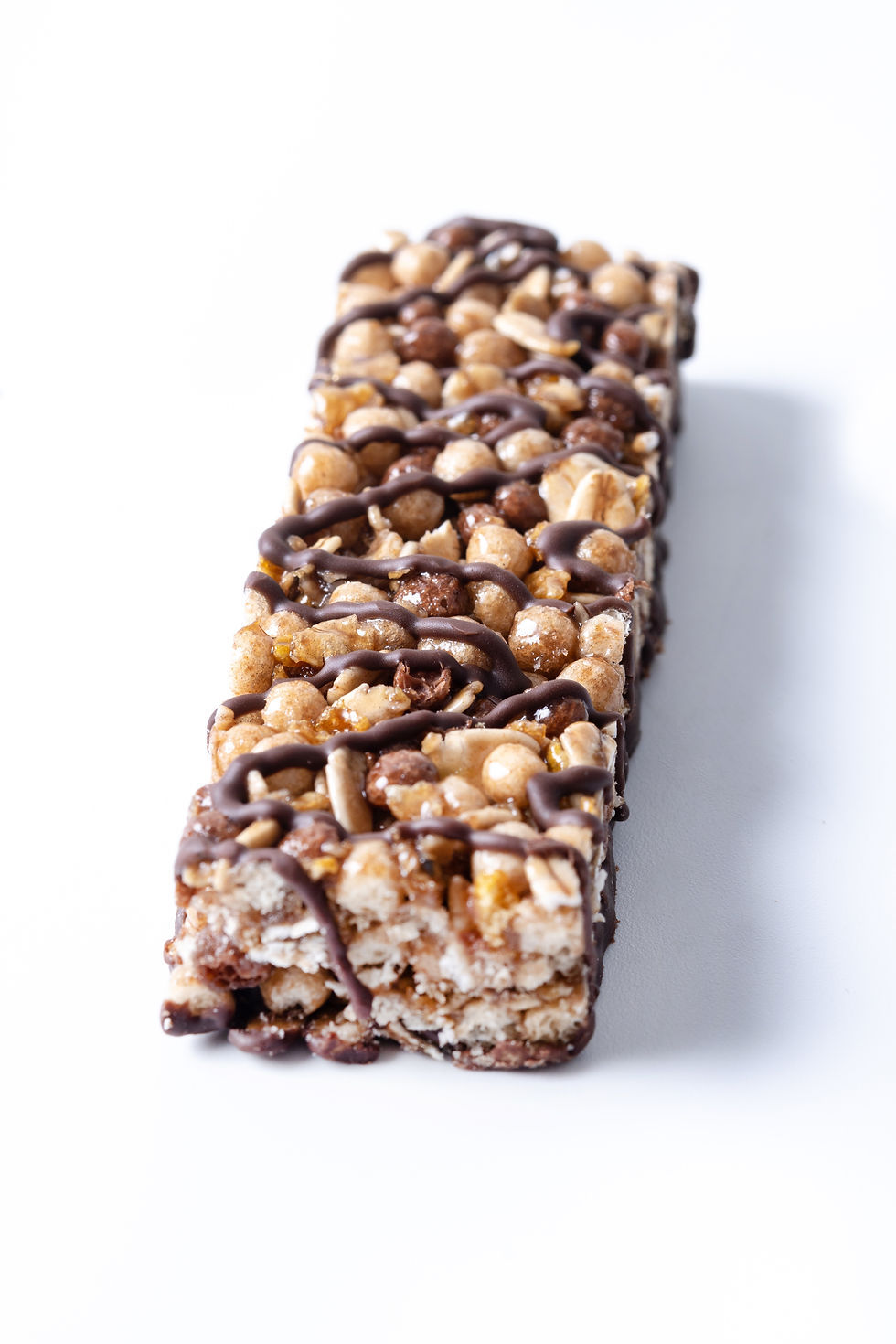
The same logic applies to protein bars with psyllium and B vitamins, ready meals with prebiotic fibers and collagen, functional yogurts, and powdered supplements designed for calorie-restricted contexts. In all cases, ingredient selection defines not only product efficacy, but also brand positioning and credibility with an increasingly informed consumer.
Conclusion
The fall of Ozempic’s patent is the trigger. The consumer who eats less and demands more — in nutrition, functionality, and ingredient transparency — is the new market reality. Proteins and collagen that preserve muscle and improve skin, fibers that extend satiety, vitamins that prevent deficiencies, and sweeteners that deliver taste without calories are not passing trends: they are concrete technical responses to a behavioral shift that is just beginning.
Companies that reformulate now, with the right inputs and technical partners, will be ready when post-generic demand explodes. Those who wait will be playing catch-up.
Total Ingredientes can help your company formulate for this new reality — with functional ingredients, technical support, and process efficiency. Get in touch with our technical team.
References
STJ — 4ª Turma. Decisão unânime negando prorrogação da patente da semaglutida (REsp 2.240.025). Dezembro de 2025. Disponível em: https://www.stj.jus.br/sites/portalp/paginas/comunicacao/noticias/2026/12012026-quarta-turma-nao-permite-prorrogacao-de-patentes-do-ozempic-e-do-rybelsus.aspx
CNN Brasil. "Exclusividade do Ozempic expira em 7 dias; veja o que diz Lei de Patentes." Março de 2026. Disponível em: https://www.cnnbrasil.com.br/ciencia/exclusividade-do-ozempic-expira-em-7-dias-veja-o-que-diz-lei-de-patentes/
Blundell, J. et al. Effects of once-weekly semaglutide on appetite, energy intake, control of eating, food preference and body weight in subjects with obesity. Diabetes, Obesity and Metabolism, 2017. DOI: 10.1111/dom.12932. Disponível em: https://pubmed.ncbi.nlm.nih.gov/28266779/
Morgan Stanley Research — Patient Survey on GLP-1 Consumer Behavior, 2024. Reportado por CNBC: https://www.cnbc.com/2024/04/20/weight-loss-drug-patients-spend-less-on-restaurants-takeout-survey.html
Morgan Stanley / CNBC — "Most people on weight loss drugs are spending less on restaurants and takeout, survey says." Abril de 2024.
Cornell University / Numerator — Estudo sobre impacto de GLP-1 nos gastos com supermercado, 2024. Reportado por Food Dive: https://www.fooddive.com/news/glp-1-drug-use-cuts-grocery-spending-by-6-study-finds/736313/
KFF Health Tracking Poll — "Prescription Drug Costs, Views on Trump Administration Actions, and GLP-1 Use." Novembro de 2025. Disponível em: https://www.kff.org/public-opinion/kff-health-tracking-poll-prescription-drug-costs-views-on-trump-administration-actions-and-glp-1-use/
KPMG / Morgan Stanley Research — "Getting to know GLP-1 users, a new kind of consumer." 2024. Disponível em: https://kpmg.com/kpmg-us/content/dam/kpmg/pdf/2024/glp-1-meds-impact-on-food-and-bev-ind.pdf
J.P. Morgan — "How Supply and Demand for Weight Loss Drugs is Playing Out in 2026." Disponível em: https://www.jpmorgan.com/insights/global-research/current-events/obesity-drugs
Nestlé USA — "Vital Pursuit Hits Shelves Nationwide." Setembro de 2024. Disponível em: https://www.nestleusa.com/media/pressreleases/vital-pursuit-nationwide-glp-1
Grocery Dive — "Pardon the Disruption: How GLP-1s could reshape the grocery store." Janeiro de 2025. Disponível em: https://www.grocerydive.com/news/glp-1-drugs-grocery-stores-impact/736461/
Food Dive — "Nestlé launches drink that suppresses hunger, promotes GLP-1 production." Dezembro de 2024.
Virgilio, N. et al. Absorption of bioactive peptides following collagen hydrolysate intake. Frontiers in Nutrition, v. 11, 2024. DOI: 10.3389/fnut.2024.1416643.
Martínez-Puig, D. et al. Collagen supplementation for joint health. Nutrients, v. 15, n. 6, p. 1332, 2023. Disponível em: https://www.mdpi.com/2072-6643/15/6/1332
Batterham, R.L. et al. — GLP-1 receptor agonists and appetite regulation. Mecanismo de estimulação de GLP-1 por proteínas dietéticas via células L intestinais é descrito em: Wilding, J.P.H. et al. Once-Weekly Semaglutide in Adults with Overweight or Obesity. NEJM, v. 384, 2021. DOI: 10.1056/NEJMoa2032183.
EFSA — Parecer científico sobre glucomannan e controle de peso. EFSA Journal, 2010.
Wilding, J.P.H. et al. STEP 1 Trial — Once-Weekly Semaglutide in Adults with Overweight or Obesity. NEJM, 2021. Efeitos colaterais gastrointestinais reportados em 44,2% (náusea) e 31,5% (diarreia) dos participantes.